

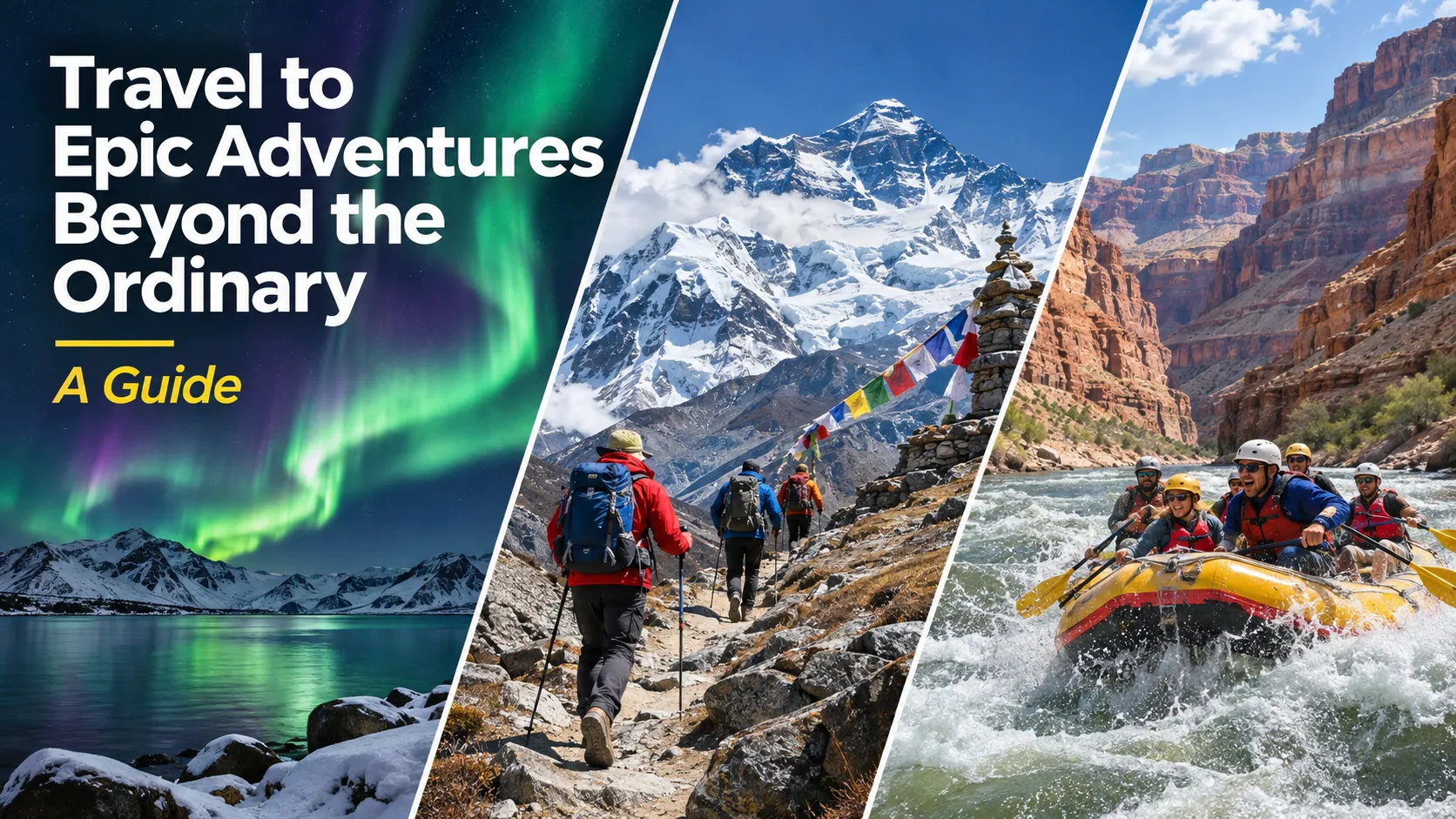
To travel to epic adventures beyond the ordinary means choosing experiences that connect you more deeply with a place, whether through nature, culture, or an unfamiliar challenge. You do not need to climb the highest mountain or spend a fortune. The right adventure is one that fits your interests, abilities, budget, and time.
The phrase also resembles the slogan of the travel website Travel to Adventures. Here, however, the focus is independent advice for planning your own trip rather than reviewing or promoting that website.
What Makes Travel an Extraordinary Adventure?
An unforgettable journey is not necessarily the most remote or physically demanding. Learning to cook regional dishes with a local guide, walking a coastal trail, or watching wildlife responsibly can make an ordinary holiday feel entirely different.
The Adventure Travel Trade Association describes adventure travel through a combination of nature, culture, and physical activity. Its examples range from walking food tours to long-distance treks. What matters is active engagement with the destination, not how impressive the itinerary sounds.
This distinction helps beginners avoid choosing an unsuitable expedition merely because its photographs look spectacular.
Four Adventure Experiences Worth Considering
Adventure destinations vary considerably in cost, difficulty, and preparation. These examples show why choosing the right experience matters more than following a fashionable bucket list.
| Experience | Best suited to | Main planning concern |
|---|---|---|
| Guided cultural walk | Curious beginners | Finding a knowledgeable local guide |
| Northern lights trip | Nature lovers | Weather, darkness, and uncertain sightings |
| Everest Base Camp trek | Prepared trekkers | Altitude, acclimatization, and permits |
| Grand Canyon river journey | Water-adventure enthusiasts | Technical difficulty, permits, or guided availability |
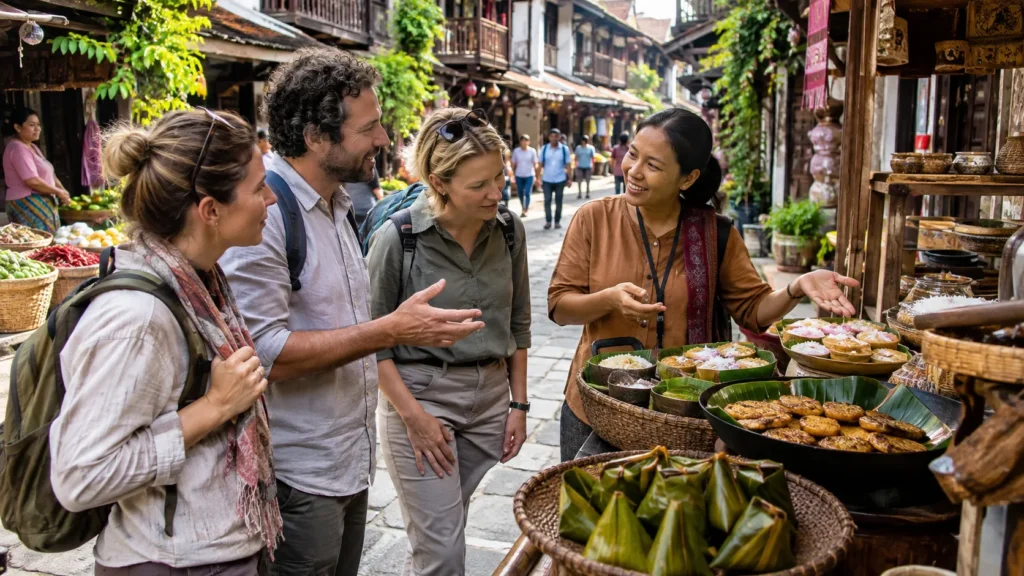
A guided cultural walk may involve conversations with local residents, neighborhood history, and regional food. It can offer genuine discovery without demanding specialist equipment.
Northern lights travel rewards patience. Clear skies, a sufficiently dark location, and solar activity all influence the experience. Booking several possible viewing nights is more sensible than expecting a guaranteed display.
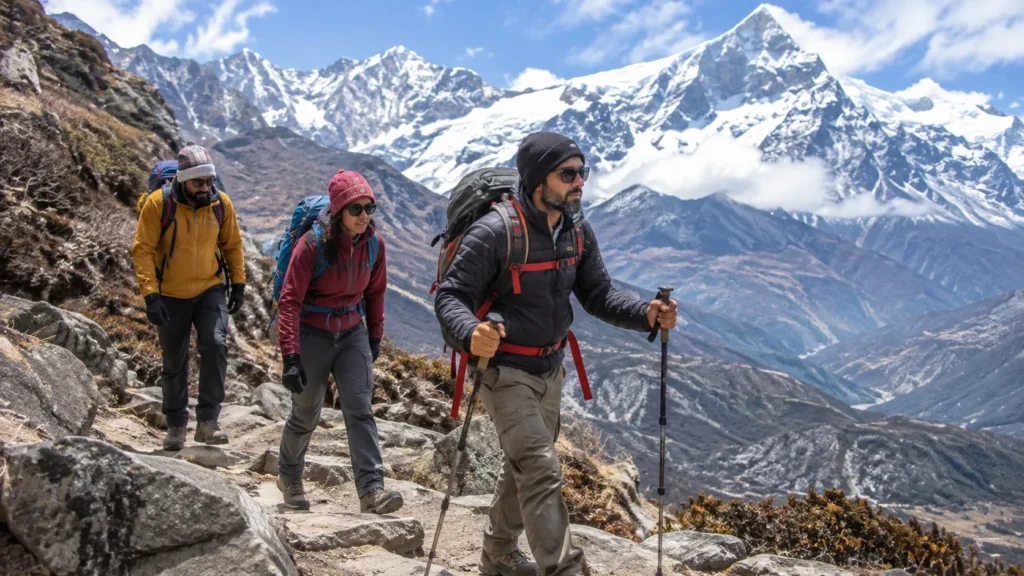
The Everest Base Camp route is a demanding high-altitude journey. The Nepal Tourism Board lists the trek among routes covered by its published guide and TIMS provisions. Check the latest rules before booking.
For Grand Canyon rafting, the National Park Service distinguishes professionally guided trips from private expeditions. Certain longer noncommercial journeys require permits awarded by weighted lottery and experienced trip leadership.
How to Choose an Adventure That Suits You
Begin with what you actually enjoy. Someone fascinated by food and history may find a community-led cultural experience more rewarding than a difficult mountain trek.
Next, consider your fitness, available leave, and tolerance for changes in plans. Remote travel can involve delayed transport, unpredictable conditions, or limited facilities. Check whether the activity requires previous experience, acclimatization, or specialist assistance.
Be realistic about accessibility too. Ask operators about walking distances, terrain, rest opportunities, transport, and any necessary accommodations instead of assuming an advertised “easy” trip will suit everyone.
Seasonal conditions deserve equal attention. A destination that looks inviting in photographs may experience heavy rainfall, extreme temperatures, or restricted access during particular months. Compare expected conditions with your preferred activities rather than choosing travel dates based solely on cheaper flights. Allow some flexibility for weather-related changes, especially when the main attraction depends on clear skies or suitable outdoor conditions.
How to Travel to Epic Adventures Beyond the Ordinary on a Budget
A memorable trip does not require a luxury package. Regional destinations, short guided experiences, and flexible accommodation can reduce costs while preserving opportunities for discovery.
Build your budget around transportation, accommodation, food, activity fees, guides, permits, equipment, insurance, and a contingency allowance. Compare what different operators include before treating their advertised prices as equivalent.
For perspective, the ATTA’s 2026 industry report found a $2,250 median price for surveyed operators’ most popular seven-night itineraries. That is an industry survey measure, not the price every traveler should expect to pay.
Safety, Permits, and Preparation
Check official entry and activity requirements before paying deposits. National parks may have separate rules for camping, guided outings, and private expeditions. A visa or general park ticket does not necessarily authorize every activity.
For international travel, the CDC recommends consulting a healthcare provider or travel-health specialist at least four to six weeks before departure when relevant. Ask about destination-specific precautions and disclose planned physical activities.
Read insurance wording carefully. Some standard policies exclude particular sports, high-altitude trekking, or remote-area evacuation. Also check forecast conditions, required equipment, emergency communications, and cancellation terms.
Guided Tours or Independent Travel?
Guided adventures can simplify permits, transportation, equipment, and specialist logistics. They are particularly valuable when a route requires technical skills or local knowledge.
Independent trips provide scheduling freedom but transfer responsibility for navigation, regulations, and emergency preparation to the traveler. Neither option is automatically safer or cheaper.
Before booking a guided trip, request written details about the itinerary, guide qualifications, group size, safety procedures, total charges, and refund conditions.
Travel Responsibly, Not Just Adventurously
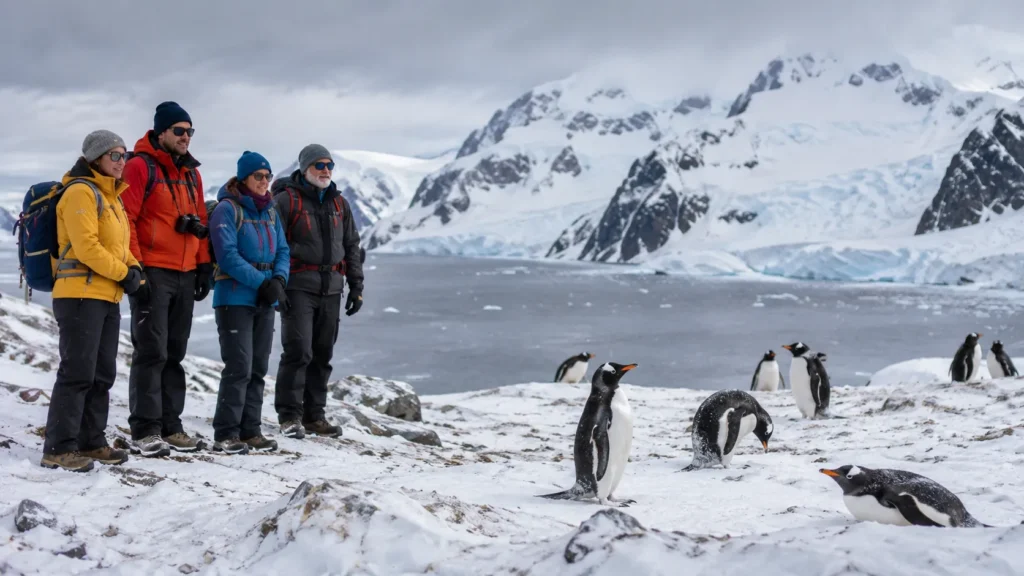
Responsible adventure travel respects the places and communities that make a journey worthwhile. Follow designated routes, avoid disturbing wildlife, respect local customs, and use properly authorized providers.
For example, the International Association of Antarctica Tour Operators publishes visitor guidance on avoiding wildlife disturbance and protecting sensitive environments. Different destinations have their own rules, so research each one individually.
Spending with locally owned businesses can also support communities, but avoid assuming every operator provides the same economic or environmental benefits.
FAQs
Can beginners enjoy adventure travel?
Yes. Start with manageable experiences such as guided walks, cultural activities, or short nature excursions. Choose difficulty based on your abilities rather than promotional descriptions.
Is adventure travel always expensive?
No. Costs vary by destination, travel style, and activity. Regional trips and shorter experiences may be more affordable than remote international expeditions.
Is solo adventure travel safe?
Safety depends on the destination, activity, preparation, and available support. Research local conditions, share your itinerary, and avoid technical routes beyond your experience.
Should I book a guide?
A guide can help with specialist logistics, interpretation, and activities requiring local expertise. Confirm qualifications and official requirements before booking.
What should I check before paying?
Confirm entry rules, necessary permits, activity difficulty, total charges, insurance coverage, cancellation terms, and emergency arrangements.
Also, Read: Best IPTV Service 2026

1 Comment
Pingback: Falotani Explained: Meaning, Website, and Real Facts -